
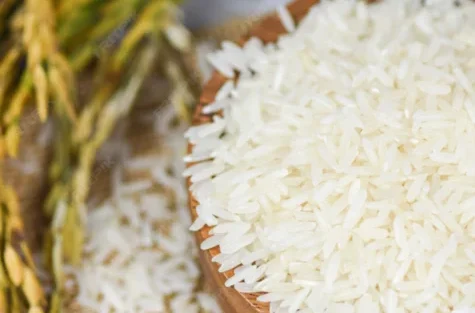
Non-Basmati Rice Import from India is becoming popular worldwide because Indian rice offers excellent quality, affordable pricing, and reliable export supply. Buyers across international markets prefer Indian non-basmati rice for wholesale distribution, retail supply, and food industries.
If you are planning to import non-basmati rice from India, this complete guide will help you understand the entire process, required documents, packaging standards, shipping methods, and important factors buyers should consider before placing an order.
For trusted rice export services, visit VM Exim.
What Is Non-Basmati Rice?
Non-basmati rice refers to rice varieties that are different from aromatic basmati rice. These rice varieties are widely consumed for daily use and are available in different grain sizes and qualities.
Popular non-basmati rice varieties exported from India include:
- IR64 Rice
- Swarna Rice
- Sona Masoori Rice
- Parmal Rice
- PR11 Rice
These rice varieties are used in households, restaurants, food industries, and government supply programs.
Why Choose India for Non-Basmati Rice Import
India is a preferred source for non-basmati rice imports because of several advantages:
- Competitive export pricing
- Large-scale production
- Reliable supply chain
- Good grain quality
- Multiple rice varieties available
- Strong export infrastructure
Indian exporters also provide flexible packaging and international shipping support for buyers worldwide.
Benefits of Non-Basmati Rice Import
Step 1: Select the Rice Variety for Non-Basmati Rice Import
The first step is choosing the required rice variety based on market demand and customer preference. Buyers should check:
- Grain size
- Color
- Moisture level
- Broken percentage
- Packaging options
Many importers request rice samples before placing bulk orders.
Step 2: Find a Reliable Exporter for Non-Basmati Rice Import
Choosing a trusted exporter is very important for smooth import operations. Buyers should verify:
- Export experience
- Product quality
- Certifications
- Packaging standards
- Shipping support
Working with a professional exporter helps reduce risks and ensures timely delivery.
Step 3: Request Quotation for Non-Basmati Rice Import
After selecting the product, the importer requests a quotation from the exporter. The quotation generally includes:
- Product price
- Packaging details
- Minimum order quantity
- Shipping terms
- Payment terms
Export prices may depend on rice quality, broken percentage, and destination country.
Step 4: Confirm the Order for Non-Basmati Rice Import
Once pricing and terms are finalized, the buyer confirms the order quantity, packaging type, and shipping schedule.
Both parties also agree on:
- FOB or CIF terms
- Delivery timeline
- Port of shipment
- Payment conditions
Step 5: Documents Required for Non-Basmati Rice Import
Proper export documentation is necessary for international rice shipment. Common documents include:
- Commercial Invoice
- Packing List
- Bill of Lading
- Phytosanitary Certificate
- Certificate of Origin
- Fumigation Certificate
These documents are required for customs clearance and import procedures.
Packaging Process for Non-Basmati Rice Import
Non-basmati rice is exported in different packaging sizes such as:
- 5 Kg bags
- 10 Kg bags
- 25 Kg bags
- 50 Kg PP bags
Export packaging protects the rice during storage and international transportation.
Customized packaging with buyer branding is also available for many international markets.
Buyers can contact our team for customized rice packaging solutions.
Container Loading for Non-Basmati Rice Import
Rice shipments are usually transported through sea freight using 20ft or 40ft containers.
The container loading process includes:
- Container inspection
- Proper bag arrangement
- Weight balancing
- Container sealing
After loading, the shipment is transported to the destination port.
Major Indian Ports for Non-Basmati Rice Import
India has several major ports used for rice export, including:
- Mundra Port
- Nhava Sheva Port
- Kandla Port
- Chennai Port
- Visakhapatnam Port
The choice of port depends on the buyer’s destination and shipping line availability.
Payment Methods in Rice Import
Common international payment methods include:
- Letter of Credit (LC)
- Telegraphic Transfer (TT)
- Advance Payment
Secure payment terms help both buyers and exporters conduct smooth international trade transactions.
Benefits of Non-Basmati Rice Import
Importing non-basmati rice from India offers several benefits:
- Affordable pricing
- Consistent supply
- Good export quality
- Flexible packaging options
- Global shipping support
Indian rice exporters serve buyers across multiple international markets with reliable export services.
Conclusion
Importing non-basmati rice from India is a simple process when working with an experienced exporter. From product selection and packaging to documentation and shipping, every step is important for successful international trade.
VM Exim supplies premium-quality non-basmati rice from India with professional export support, quality packaging, and timely shipment services for global buyers.able export services, customized packaging, and professional support for international buyers across global markets.