
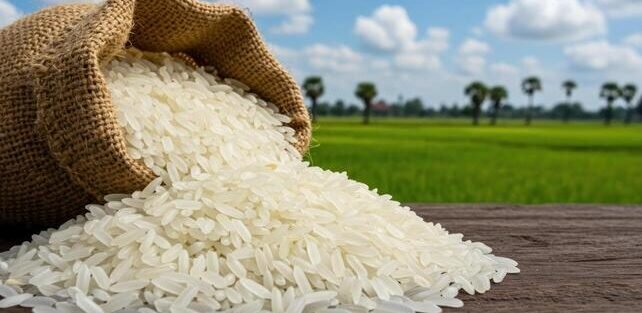
Rice Packaging Standards for International Buyers
Rice packaging standards play a crucial role in international trade. Proper packaging not only protects rice during transportation but also ensures compliance with global food safety regulations and buyer requirements. Whether exporting Basmati Rice or Non-Basmati Rice, choosing the right packaging improves product quality, shelf life, and customer satisfaction.
At VM Exim, we provide premium-quality rice exports with packaging solutions that meet international standards and buyer specifications. Learn more about our export services at https://vmexim.com/.
In this guide, we’ll explain the essential rice packaging standards every international buyer and exporter should know.
Why Rice Packaging Standards Matter
Proper rice packaging helps:
- Protect rice from moisture and contamination
- Maintain freshness during shipping
- Prevent damage during transportation
- Meet international food safety standards
- Enhance brand image and customer trust
Types of Rice Packaging
1. PP Woven Bags
Polypropylene (PP) woven bags are widely used for bulk rice exports.
Suitable For:
- Wholesale buyers
- Bulk shipments
- Industrial use
2. BOPP Laminated Bags
BOPP laminated bags offer excellent printing quality and moisture resistance.
Advantages
- Premium appearance
- High durability
- Better product protection
- Attractive branding
3. Non-Woven Fabric Bags
These bags are eco-friendly and increasingly popular for premium rice brands.
4. Vacuum Packaging
Vacuum-packed rice removes excess air, increasing shelf life and maintaining freshness.
Ideal for premium export-quality rice.
Standard Rice Packaging Sizes
International buyers generally prefer:
- 1 kg
- 2 kg
- 5 kg
- 10 kg
- 20 kg
- 25 kg
- 50 kg
Bulk buyers often choose 25 kg and 50 kg packaging for commercial imports.
Essential Labeling Requirements
Every export rice bag should include:
- Product Name
- Rice Variety
- Net Weight
- Country of Origin
- Packing Date
- Batch Number
- Manufacturer Details
- Storage Instructions
Proper labeling helps meet import regulations and improves traceability.
Food Safety & Export Standards
International rice packaging should comply with recognized food safety standards such as:
- HACCP
- ISO 22000
- FSSAI (India)
- APEDA Export Guidelines
Following these standards ensures product safety and builds buyer confidence.
Moisture Protection
Rice packaging should protect against:
- Moisture
- Dust
- Sunlight
- Insects
- Contamination
High-quality laminated bags help preserve rice quality during long-distance shipping.
Container Loading Best Practices
To prevent damage during export:
- Use clean, dry containers
- Stack bags securely
- Use pallets when required
- Avoid direct floor contact
- Inspect containers before loading
Proper loading minimizes transit damage and ensures safe delivery.
Custom Packaging Options
Many international buyers request customized packaging, including:
- Private Label Packaging
- Custom Printed Bags
- Multilingual Labels
- Barcode Printing
- QR Codes
- Premium Retail Packaging
Custom packaging strengthens brand identity in global markets.
Why Choose a Professional Rice Exporter?
A trusted rice exporter provides:
- Export-quality packaging
- International labeling compliance
- Quality inspection
- Moisture-controlled storage
- Secure container loading
- Timely worldwide delivery
Professional exporters ensure every shipment meets buyer expectations and international packaging standards.
Conclusion
Rice packaging standards are essential for maintaining product quality, meeting international regulations, and ensuring customer satisfaction. From choosing the right packaging material to following proper labeling and food safety practices, every step contributes to successful rice exports.
By working with an experienced exporter and using high-quality packaging, international buyers can receive safe, fresh, and premium-quality rice every time.