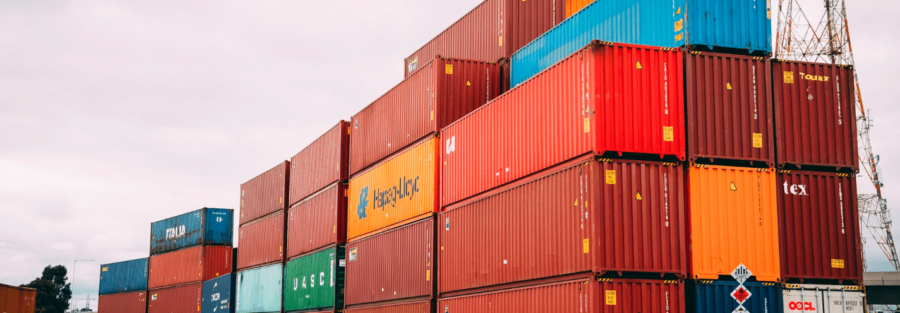
FOB vs CIF in Rice Export is one of the most important topics for rice importers and exporters involved in international trade. Understanding the difference between FOB and CIF shipping terms helps businesses manage costs, shipping responsibilities, insurance, and logistics efficiently. In this guide, we’ll explain FOB vs CIF in Rice Export, compare their benefits, and help you choose the right shipping option.
What is FOB in Rice Export?
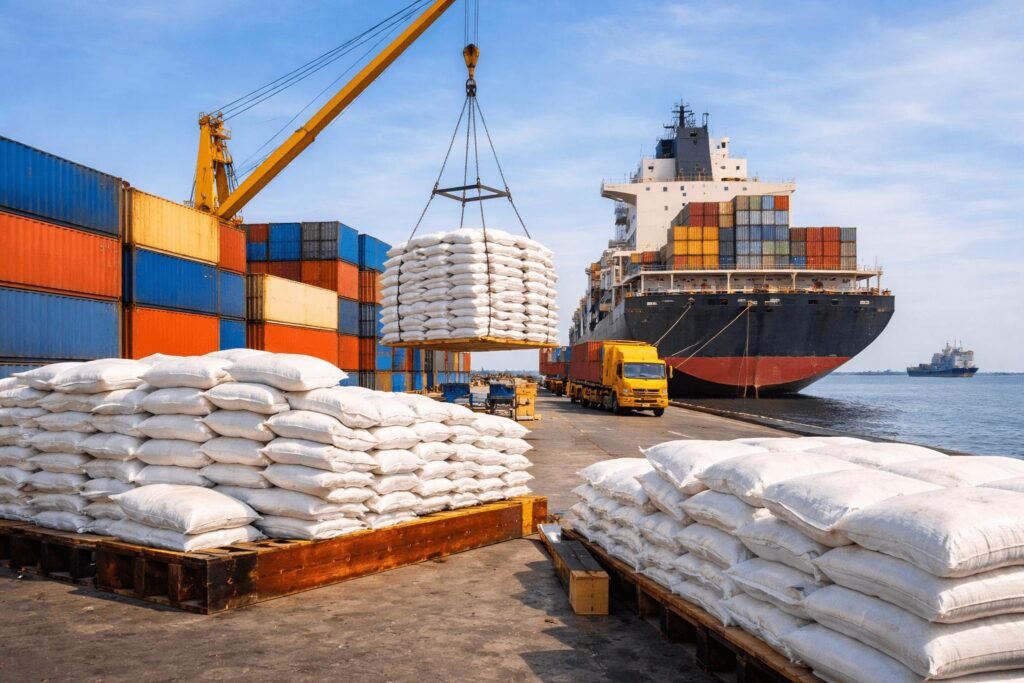
FOB (Free on Board) means the seller is responsible for preparing the rice shipment, completing export customs formalities, transporting the goods to the port, and loading them onto the vessel chosen by the buyer.
Once the rice is successfully loaded onto the ship, responsibility and risk transfer from the seller to the buyer.
Under FOB, the Seller is Responsible for:
- Processing and packing the rice
- Inland transportation to the export port
- Export documentation
- Export customs clearance
- Loading the cargo onto the vessel
The Buyer is Responsible for:
- Ocean freight charges
- Marine insurance
- Import customs clearance
- Import duties and taxes
- Transportation from the destination port to the final location
FOB is widely preferred by experienced importers who already have trusted freight forwarders and shipping partners.
What is CIF in Rice Export?
CIF (Cost, Insurance, and Freight) is a shipping agreement in which the seller arranges and pays for the transportation of goods to the destination port, including marine insurance.
Although the seller covers freight and insurance costs, the risk associated with the goods transfers to the buyer once the cargo is loaded onto the vessel.
Under CIF, the Seller is Responsible for:
- Rice packaging and quality inspection
- Export documentation
- Export customs clearance
- Inland transportation
- Ocean freight
- Marine insurance
The Buyer is Responsible for:
- Import customs clearance
- Import duties and taxes
- Port handling charges (where applicable)
- Local transportation after arrival
CIF is often chosen by first-time importers or businesses that prefer the exporter to handle international shipping arrangements.
FOB vs CIF: A Quick Comparison
| Feature | FOB | CIF |
|---|---|---|
| Export Customs Clearance | Seller | Seller |
| Ocean Freight | Buyer | Seller |
| Marine Insurance | Buyer | Seller |
| Import Clearance | Buyer | Buyer |
| Freight Control | Buyer | Seller |
| Shipping Management | Buyer | Seller |
| Best For | Experienced Importers | New or Occasional Importers |
Advantages of FOB
1. Greater Cost Control
Buyers can negotiate freight rates directly with shipping companies, often resulting in lower transportation costs.
2. Flexible Shipping Options
The buyer has complete freedom to choose the shipping line, freight forwarder, and preferred transit schedule.
3. Transparent Pricing
FOB clearly separates the cost of rice from shipping expenses, making pricing more transparent.
4. Better for Large Importers
Businesses importing rice regularly often benefit from FOB because they already have established logistics networks.
Advantages of CIF
1. Convenience
The exporter handles shipping arrangements, reducing the buyer’s workload.
2. Insurance Included
Marine insurance is arranged by the seller, offering additional protection during transit.
3. Simplified Buying Process
Buyers receive one comprehensive quotation that includes product cost, freight, and insurance.
4. Suitable for New Buyers
Companies with limited experience in international trade often prefer CIF for its simplicity.
Which Shipping Term is Better?
The right option depends on your business requirements.
Choose FOB if:
- You import rice frequently.
- You have your own freight forwarder.
- You want greater control over shipping.
- You can negotiate competitive freight rates.
Choose CIF if:
- You are importing rice for the first time.
- You prefer a hassle-free shipping process.
- You want the exporter to manage freight and insurance.
- You do not have established logistics partners.
Example of FOB vs CIF Pricing
Suppose you are purchasing 100 Metric Tons of Premium Basmati Rice.
FOB Price
- Rice Price: USD 850 per MT
- Ocean Freight: Paid by Buyer
- Insurance: Paid by Buyer
CIF Price
- Rice Price: USD 850 per MT
- Ocean Freight: Included
- Marine Insurance: Included
Although the CIF quotation appears higher, it includes transportation and insurance costs, making it easier for buyers to estimate their total investment.
Factors to Consider Before Choosing FOB or CIF
Before finalizing your export agreement, consider the following:
- Your experience in international trade
- Availability of trusted freight forwarders
- Shipping costs and transit times
- Insurance requirements
- Import regulations in your country
- Total landed cost of the shipment
Choosing the right Incoterm can significantly impact your logistics efficiency and overall profitability.
Why Partner with a Reliable Rice Exporter?
A professional rice exporter ensures smooth international transactions by providing:
- Consistent export-quality rice
- Accurate documentation
- Timely shipment schedules
- Compliance with international export standards
- Reliable logistics coordination
- Transparent communication throughout the export process
Whether you choose FOB or CIF, working with an experienced exporter helps reduce delays, avoid documentation errors, and ensure successful delivery.
Conclusion
FOB and CIF are two of the most commonly used shipping terms in the global rice trade, and each offers unique advantages.
FOB is ideal for buyers who want greater control over logistics and shipping costs, while CIF provides convenience by allowing the seller to manage freight and insurance.
The best choice depends on your business experience, logistics capabilities, and import requirements. By understanding these shipping terms, buyers and sellers can build stronger international partnerships and ensure efficient rice exports.