
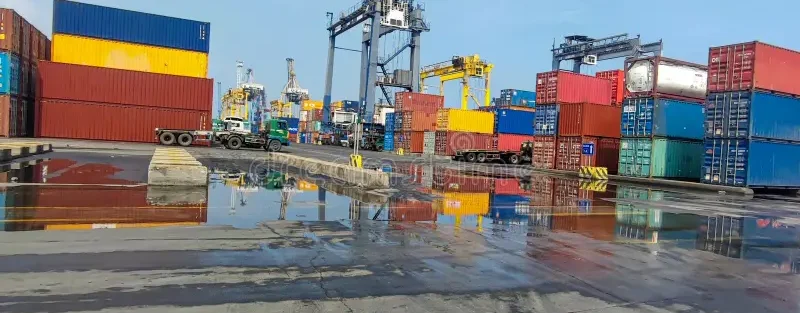
How Container Loading Is Done for Rice Export
How Container Loading Is Done for Rice Export is one of the most important processes in the global rice supply chain. Proper container loading ensures that rice reaches international buyers in excellent condition without damage, moisture, or contamination. Every step, from quality inspection to sealing the container, follows strict export standards to maintain product quality during transportation.
At VM Exim, we follow international packaging and container loading practices to ensure every shipment is delivered safely and efficiently. Visit vmexim.com to learn more about our premium Indian rice export services.
Why Proper Container Loading Is Important
Container loading is not just about filling a shipping container. It plays a vital role in protecting the rice throughout international transportation.
Proper loading helps:
- Prevent moisture damage
- Avoid bag breakage
- Maintain rice quality
- Maximize container capacity
- Reduce transportation costs
- Ensure safe delivery
- Meet international export standards
Step 1: Rice Quality Inspection
Before loading begins, every batch of rice undergoes a thorough quality inspection. Export-quality rice is checked for:
- Grain size
- Moisture content
- Purity
- Broken percentage
- Color
- Foreign particles
Only rice that meets international quality standards proceeds to packaging.
Step 2: Packaging the Rice
Rice is packed according to buyer requirements. Common packaging sizes include:
- 5 kg
- 10 kg
- 20 kg
- 25 kg
- 50 kg
Export bags are durable, moisture-resistant, and suitable for long-distance shipping.
VM Exim also provides customized packaging and private labeling solutions for global buyers.
Step 3: Container Inspection
Before loading rice, the shipping container is carefully inspected.
The inspection includes checking:
- Cleanliness
- Dry condition
- No unpleasant odor
- No holes or leaks
- Strong flooring
- Proper locking system
Any damaged container is rejected to protect the rice during transit.
Step 4: Using Moisture Protection
Rice is highly sensitive to moisture.
To prevent moisture damage, exporters use:
- Container desiccants
- Moisture absorbers
- Ventilation methods
- Waterproof packaging
These precautions help preserve rice quality during sea transportation.
Step 5: Loading the Rice Bags
The loading process is carried out carefully to maximize container space while preventing damage.
Workers place the bags:
- Evenly across the container
- In stable stacked rows
- Without leaving large gaps
- With balanced weight distribution
Proper stacking reduces movement during shipping.
Step 6: Weight Distribution
Balanced weight distribution is essential for safe transportation.
Proper weight distribution helps:
- Prevent container imbalance
- Avoid cargo shifting
- Protect rice bags
- Improve transportation safety
Every shipment follows international shipping regulations.
Step 7: Container Sealing
After loading is complete, the container is sealed using a high-security seal.
The seal number is recorded on export documents to ensure shipment security until it reaches the buyer.
Export Documentation
After container loading, exporters prepare all necessary export documents, including:
- Commercial Invoice
- Packing List
- Bill of Lading
- Certificate of Origin
- Phytosanitary Certificate
- Fumigation Certificate (if required)
- Insurance Documents
Proper documentation ensures smooth customs clearance.
Quality Control During Rice Export
Leading exporters perform multiple quality checks before shipment.
These include:
- Packaging inspection
- Weight verification
- Moisture testing
- Container inspection
- Seal verification
- Documentation review
At VM Exim, every shipment is inspected to meet international export standards before dispatch.
Why Choose VM Exim for Rice Export?
VM Exim is a trusted Indian rice exporter supplying premium-quality rice to customers worldwide.
Our advantages include:
- Premium Basmati Rice
- High-Quality Non-Basmati Rice
- Strict Quality Inspection
- Modern Packaging
- Bulk Export Supply
- Competitive Pricing
- Timely Global Delivery
- Export Documentation Support
- Customized Packaging
- Reliable Customer Service
Visit vmexim.com to explore our complete range of rice products and export solutions.
Tips for Safe Rice Container Loading
For successful rice export shipments:
- Use export-quality packaging.
- Inspect containers before loading.
- Maintain proper moisture control.
- Stack bags evenly.
- Balance the cargo weight.
- Use high-security seals.
- Follow international export guidelines.
- Prepare complete export documentation.
Conclusion
Understanding How Container Loading Is Done for Rice Export helps buyers and exporters appreciate the importance of quality handling during international shipping. Proper inspection, packaging, moisture protection, balanced loading, and secure sealing ensure that rice reaches customers in excellent condition.
At VM Exim, we follow international export standards to deliver premium-quality Indian rice safely to buyers across the world. Visit vmexim.com to learn more about our products and request a quotation for your next bulk rice shipment.